Smart Cities: The Integration of IoT and Big Data in Modern Urban Management
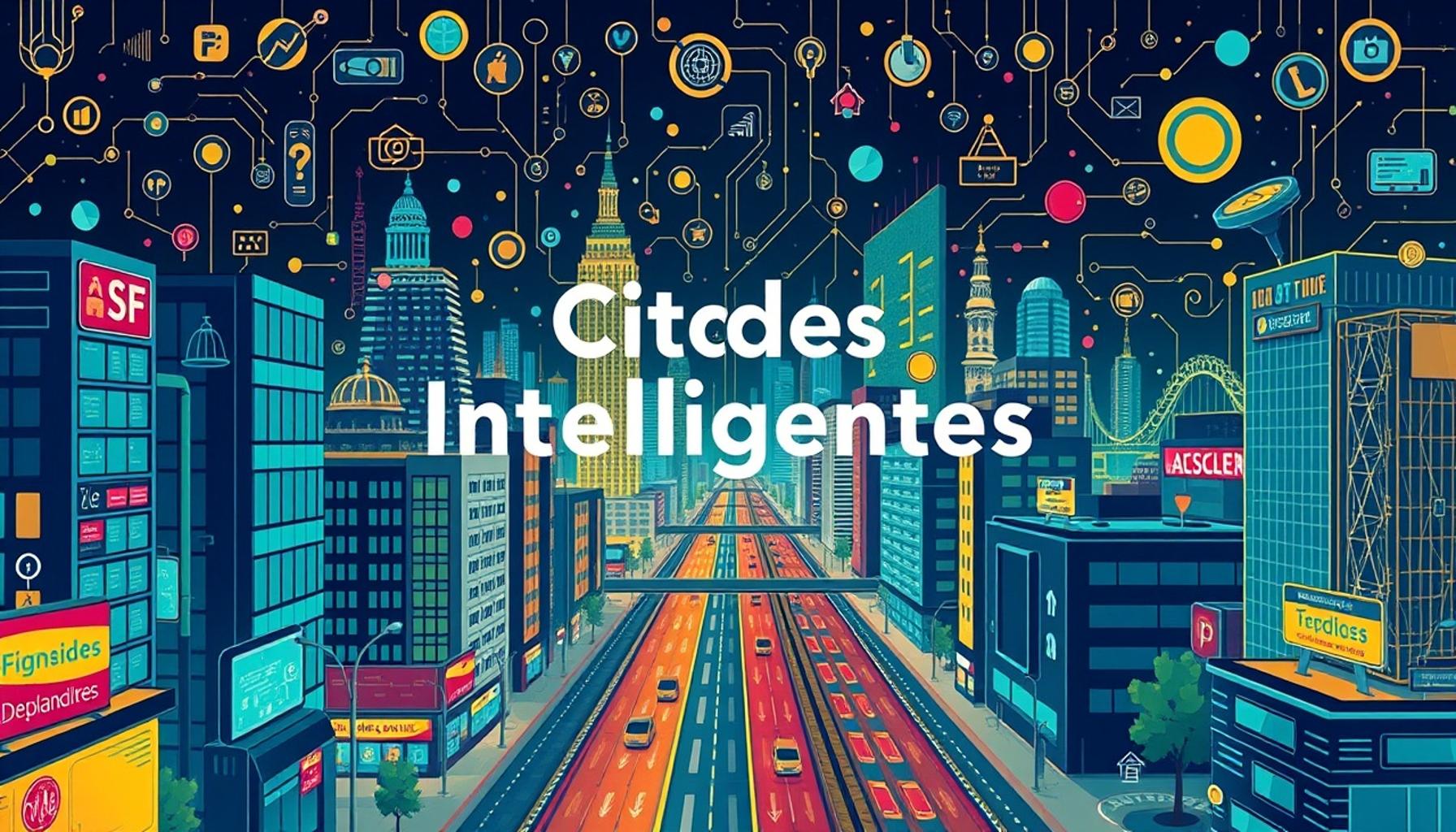
Understanding Smart Cities
Urban areas are evolving rapidly, transforming the way we live and interact. The emergence of Smart Cities has shown how technology can enhance urban management and improve citizens’ quality of life. Central to this transformation are two key components: the Internet of Things (IoT) and Big Data. Together, these technologies are fundamentally reshaping our cities, making them more efficient, sustainable, and responsive to the needs of their residents.
Impact of the Internet of Things (IoT)
Smart Cities leverage IoT technology in several impactful ways that enhance urban living. One significant area is infrastructure monitoring. For instance, sensors embedded in roads and bridges can provide real-time data regarding their structural health, alerting city officials to potential issues before they become major problems. This proactive approach not only ensures public safety but also significantly reduces maintenance costs and improves the longevity of urban infrastructure.
Another example is traffic management. IoT devices, such as connected traffic lights and smart parking systems, help optimize traffic flow by adjusting signals based on real-time congestion data. This innovation not only reduces travel time but also minimizes fuel consumption and air pollution, contributing to a cleaner environment.
Moreover, energy efficiency is enhanced through smart grids and meters. These systems allow consumers to monitor their energy usage in real-time, encouraging more sustainable practices. For example, knowing peak usage hours can prompt citizens to shift energy-intensive activities to off-peak times, promoting a more balanced energy demand.
Role of Big Data in Urban Planning
The integration of Big Data allows city planners to make informed decisions. By analyzing vast amounts of data gathered from various sources—ranging from traffic patterns to social media trends—cities can effectively predict trends in population growth and urban development. For example, a city may analyze demographic data to identify areas that will need more schools or parks as populations shift.
Big Data also helps in identifying areas needing improvement in public services. Through data analysis, city officials can pinpoint neighborhoods with higher reports of service outages or crime, directing resources accordingly to address these concerns. This targeted approach optimizes the allocation of city resources and enhances the quality of services.
Furthermore, citizen engagement is revolutionized through personalized services derived from Big Data analytics. Local governments can offer tailored services, such as alerts for community events or road closures, directly aligning with residents’ interests and needs. This level of engagement fosters a stronger sense of community and encourages civic participation.
The Path Forward
As we explore the interplay between IoT and Big Data in urban environments, it becomes clear that these technologies are reshaping the future of cities. They foster innovative solutions to age-old challenges, improving the quality of life for all residents. The ongoing evolution toward Smart Cities promises richer, more connected urban experiences, ultimately demonstrating that technological advancement can go hand in hand with thoughtful urban planning.
In conclusion, the integration of IoT and Big Data in Smart Cities is not just a trend but a necessary evolution in how we approach urban management. By harnessing these technologies, cities can become more efficient, sustainable, and responsive to the needs of their populations. The outcomes are not only beneficial for the infrastructure and services but also for the residents who call these evolving urban centers home.
The Synergy of Technology in Urban Living
The development of Smart Cities is fundamentally driven by the synergy between the Internet of Things (IoT) and Big Data. Each component plays a pivotal role in reshaping how cities function, and together they create a more holistic approach to urban management. This integration not only enhances the efficiency of city operations but also cultivates a more connected and supportive community environment.
IoT’s Role in Enhancing Public Services
IoT devices are instrumental in revolutionizing the delivery of public services. By connecting everyday objects to the internet, cities can gather vital data that inform decision-making processes. Several areas benefit significantly from this technology, including:
- Waste Management: Smart bins equipped with sensors signal when they are full, allowing waste management services to optimize collection routes. This not only reduces operational costs but also prevents overflowing bins, enhancing neighborhood cleanliness.
- Public Transportation: Real-time tracking systems provide commuters with accurate bus and train arrival times. With this information at their fingertips, citizens can plan their journeys more effectively, reducing wait times and improving overall satisfaction with public transit.
- Environmental Monitoring: Sensors placed throughout the city monitor air quality, noise levels, and weather conditions. This data can inform city officials about pollution levels, helping them make necessary adjustments to policies or regulations that protect public health.
These examples illustrate how IoT technology fosters an environment conducive to smarter urban living. But as cities accumulate vast quantities of data through IoT devices, the challenge of managing and interpreting this information effectively arises.
Big Data: Transforming Insights into Action
Data gathered via IoT devices feeds into Big Data analytics, which presents opportunities for cities to utilize this information in impactful ways. The process can be distilled into several benefits:
- Informed Decision-Making: By analyzing patterns in data, city planners can make evidence-based decisions that address current issues while anticipating future needs.
- Resource Allocation: Big Data enables city officials to streamline funding toward projects that address the most pressing challenges within communities, ensuring effective use of taxpayer money.
- Predictive Analytics: Cities can leverage historical data to forecast trends in traffic, housing demands, and public health concerns, facilitating preemptive measures rather than reactive solutions.
This analytical capability turns data into a valuable asset rather than merely a byproduct of technology deployment. As cities continue embracing Big Data, the forefront of urban planning becomes increasingly proactive, rather than merely responsive.
As we navigate the complex landscape of Smart Cities, the integration of IoT and Big Data clearly demonstrates a commitment to enhancing urban life through innovative solutions. By combining real-time data gathering with advanced analytics, cities can better serve their citizens, ultimately fostering a more engaged and informed community.
Community Engagement and Smart Governance
As Smart Cities continue to evolve, the integration of IoT and Big Data also plays a vital role in enhancing community engagement and promoting smarter governance. By harnessing technology, city officials can facilitate more effective communication and create participatory platforms for residents. These initiatives lay the groundwork for sustainable urban development, where citizen feedback is valued and actively incorporated into decision-making processes.
Enhancing Citizen Participation
The rise of mobile applications and digital platforms enables local governments to connect with residents in real-time. For example, cities can deploy apps that allow citizens to report issues such as potholes, broken streetlights, or excessive trash buildup. This immediate feedback loop not only encourages citizen participation but also ensures that city maintenance teams can address problems promptly. Some cities, like San Francisco, have effectively implemented this model, allowing residents to play a crucial role in maintaining their urban environment.
Additionally, surveys and polls conducted through these platforms enable city planners to gather opinions on proposed projects, helping officials align urban development with the desires of the community. The inclusion of citizen perspectives fosters a sense of ownership and accountability, strengthening the relationship between residents and local government.
Data-Driven Policymaking
Another significant advantage of integrating Big Data into urban management is its capacity to transform policymaking. By analyzing public feedback and measuring community sentiment, local leaders can develop tailored solutions that effectively address the unique needs of their neighborhoods.
For instance, Los Angeles took an innovative approach to tackle homelessness by utilizing data analytics to understand the demographics and specific needs of this vulnerable population. By leveraging insights from various data sources, such as health services and social welfare programs, the city crafted targeted interventions that have shown to improve outcomes for those affected by homelessness.
Moreover, transparent data-sharing initiatives can bolster public confidence in governance. By making information accessible, cities enable residents to track how funds are allocated or the effectiveness of specific programs. This transparency empowers communities to hold their leaders accountable and fosters a culture of collaborative governance.
Facilitating Smart Infrastructure Development
Smart infrastructure projects are key components of Smart Cities, and IoT plays a critical role in their implementation. For example, the use of sensors in smart traffic lights can adapt signal timings based on real-time traffic conditions, reducing congestion and improving overall traffic flow. In cities like Barcelona, smart street lighting systems automatically adjust brightness according to the presence of pedestrians or vehicles, which conserves energy while maintaining safety.
Furthermore, IoT technology supports smart grids that enhance energy efficiency and reliability. In this system, energy consumption data can be analyzed to identify trends, allowing utilities to optimize energy distribution and reduce costs. Residents can also receive insights into their consumption patterns, promoting energy-saving behaviors and further supporting sustainability efforts.
The integration of IoT and Big Data in urban infrastructure ensures efficient resource management, improved public services, and enhanced quality of life for all residents. In an era where cities face numerous challenges, this technological synergy equips local governments with the tools necessary for proactive and informed management of urban growth.
Conclusion
In summary, the evolution of Smart Cities is significantly influenced by the integration of IoT and Big Data technologies, which collectively enhance urban management and drive sustainable development. By facilitating real-time communication and engagement, these technologies empower residents to take an active role in improving their communities. Through innovative platforms that encourage citizen participation, cities can gather valuable feedback, create tailored solutions, and foster a stronger connection between local governments and their constituents.
Furthermore, data-driven policymaking leads to more effective governance by allowing officials to address the unique challenges within neighborhoods accurately. As demonstrated in cities like Los Angeles, leveraging data analytics enables targeted interventions that can greatly improve quality of life for vulnerable populations.
The implementation of smart infrastructure is another critical aspect that benefits from this integration. With technologies such as smart traffic systems and energy-efficient grids, cities can optimize resource allocation and enhance public service delivery, leading to an overall increase in urban livability.
As we move forward, it is essential for stakeholders—governments, businesses, and residents—to collaborate and invest in these technologies thoughtfully. By embracing the potential of IoT and Big Data, we can pave the way for cities that not only meet the demands of urbanization but also promote resilience, innovation, and inclusivity. The future of urban management lies in our ability to harness these tools responsibly, ensuring that our cities are equipped to thrive in a rapidly changing world.

Linda Carter
Linda Carter est une auteure et experte financière spécialisée en finances personnelles et en planification financière. Forte d'une vaste expérience dans l'accompagnement de particuliers vers la stabilité financière et la prise de décisions éclairées, Linda partage ses connaissances sur notre plateforme. Son objectif est de fournir aux lecteurs des conseils et des stratégies pratiques pour réussir financièrement.