» Linda Carter
Menu

Data Privacy in Times of Surveillance: How to Protect Your Personal Information

In an age of surveillance and increasing data breaches, safeguarding personal information is critical. Individuals can enhance data privacy through strong passwords, two-factor authentication, and refined privacy settings. Staying informed about online threats and utilizing secure communication tools are essential steps to protect against data exploitation and maintain personal agency.

Impact of Artificial Intelligence on Cyber Threats: The Future of Cybersecurity

Artificial intelligence is revolutionizing cybersecurity by enhancing threat detection, automating responses, and providing proactive defense mechanisms. However, the adoption of AI also introduces challenges, including potential biases and ethical concerns. As cyber threats evolve, responsible implementation and collaboration across the cybersecurity landscape remain vital for safeguarding digital assets.

The Role of Education in Cybersecurity: Preparing the Next Generation for the Digital World

Education is essential in shaping a skilled cybersecurity workforce to combat rising cyber threats. By integrating practical experience, theoretical knowledge, and industry certifications into curriculums, educational institutions prepare students for real-world challenges and foster a commitment to lifelong learning essential for protecting our digital future.

How Blockchain is Revolutionizing Data Security in the Digital Age

Blockchain technology is transforming data security in the digital age by decentralizing data storage, ensuring immutability, and enhancing transparency. Its applications in sectors like finance, healthcare, and supply chain management create robust security frameworks, fostering trust and protecting against cyber threats while paving the way for innovative digital interactions.


Innovation Trends in Technology Startups: The Future of Digital Work

Technology startups are transforming the future of digital work through innovations like remote collaboration tools, artificial intelligence, and cloud computing. These advancements enhance efficiency, foster creativity, and promote sustainability, enabling businesses to adapt swiftly to market changes and cultivate a productive workplace culture in an ever-evolving landscape.

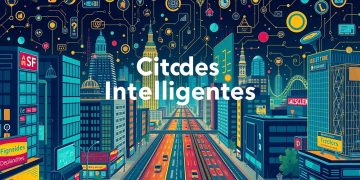
Smart Cities: The Integration of IoT and Big Data in Modern Urban Management

Smart Cities are transforming urban management through the integration of IoT and Big Data. These technologies enhance infrastructure, improve public services, and foster community engagement. By leveraging real-time data, cities can optimize resources and make informed decisions, ultimately improving the quality of life for residents and promoting sustainable development.

The Impact of Artificial Intelligence on the Digital Transformation of Businesses

Artificial intelligence is revolutionizing the digital transformation of businesses by enhancing efficiency through automation, data analysis, and personalization. Companies that embrace AI strategically can reduce costs, increase productivity, and gain a competitive edge while fostering ethical practices and a data-driven culture. This technology is essential for sustainable growth in today's market.

The Role of Gamification in Digital Education: Engagement and Learning in Times of Transformation

Gamification is revolutionizing digital education by enhancing student engagement and motivation through game-like elements. By incorporating rewards, challenges, and collaboration, educators create dynamic learning environments that cater to diverse learning styles, fostering deeper understanding and essential skills for students in an ever-evolving educational landscape.

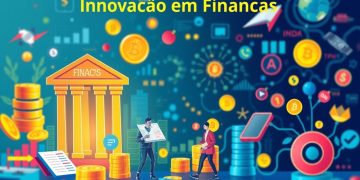
Innovation in Finance: How Fintechs Are Changing the Banking Landscape and Access to Financial Services

Fintech companies are revolutionizing the banking landscape by enhancing accessibility and efficiency in financial services. Through innovative technologies like AI and blockchain, these firms offer lower costs and improved customer experiences, democratizing access to financial resources and addressing historical barriers within the traditional banking system.

Innovation in E-commerce: The Role of Augmented Reality in the Shopping Experience

Augmented reality is revolutionizing e-commerce by enhancing customer engagement through immersive shopping experiences. By allowing consumers to visualize products in real-world settings, AR bridges the gap between online and offline shopping, reduces return rates, and fosters personalization, ultimately leading to increased satisfaction and brand loyalty.